

Tech Analysis: Swing Trade Mastery
Uncover the secrets of successful swing trading with this in-depth tech analysis guide. Master swing trading techniques and strategies now!

Image courtesy of via DALL-E 3
Unlock the secrets of swing trading mastery!
Subscribe to our newsletter for exclusive tech analysis tips and strategies.
Table of Contents
Welcome to the World of Swing Trading
Swing trading is an exciting way to make money by trading stocks. Unlike long-term investing where you hold stocks for years, swing trading involves buying and selling stocks over shorter periods, like a few days or weeks. It’s all about taking advantage of the ups and downs in stock prices to make a profit. Are you ready to dive into this dynamic world of trading? Let’s explore the basics of swing trading together!
Unlock the secrets of swing trading mastery!
Subscribe to our newsletter for exclusive tech analysis tips and strategies.
What is Swing Trading?
Swing trading is like riding a wave – you want to catch the highs and avoid the lows. When you swing trade, you’re looking to capitalize on short-term price movements in the stock market. By buying stocks when they’re low and selling when they’re high, you aim to make a profit. It’s a fast-paced and thrilling way to engage with the stock market!
Becoming a Swing Trading Master
To become a Swing Trading Master, you need dedication, practice, and a willingness to learn from your mistakes. Just like any skill, swing trading takes time to master. Start with small trades, study the market trends, and always be ready to adapt your strategies. Remember, even the most successful traders started as beginners!
The Map to Treasure: Technical Analysis
Technical analysis is like solving a puzzle with numbers and charts. It helps traders look for hints in stock price patterns to guess where the price might go next. It’s like being a detective, but instead of solving crimes, you’re trying to predict the future of stock prices.
The Tools of the Trade: Technical Indicators
Imagine having a special kit full of tools to help you solve the puzzle of stock prices. Technical indicators are like those tools. They can be lines, bars, or even complex calculations that give traders more information about where the stock price might head next. These indicators are like clues that help traders make smart decisions.
Read how mastering swing trades can change your financial future: [insert link] #swingtrade #financialfreedomTweet Quote
Playing the Market: Swing Trading Strategies
As a beginner in swing trading, it’s essential to start with straightforward strategies that are easy to grasp. One common approach is called trend following, where you buy a stock when its price is rising and sell when it starts falling. Another simple strategy is support and resistance, which involves identifying price levels where stocks tend to bounce back up or drop down. By understanding these basic strategies, you can make smarter decisions when trading stocks.
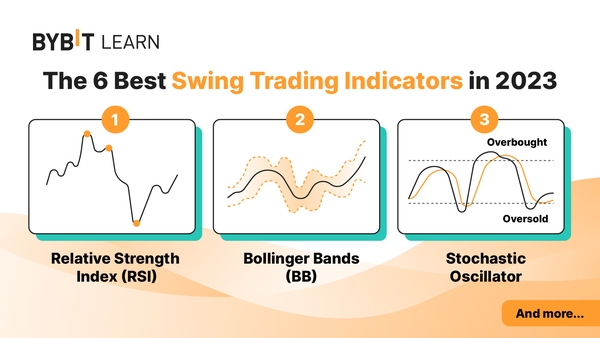
Image courtesy of learn.bybit.com via Google Images
Advanced Techniques for Pros
For experienced swing traders, there are more advanced techniques that can help maximize profits. One such strategy is called momentum trading, which involves buying stocks that are gaining momentum in the market and selling them when that momentum starts to fade. Another advanced technique is mean reversion, where traders bet on stocks returning to their average price after a significant move. By delving into these complex strategies, seasoned traders can take their skills to the next level and potentially earn higher returns.
Recognizing Patterns: Trading Patterns
In the exciting world of trading, being able to recognize patterns can give you a valuable edge. By observing common shapes and trends in stock price charts, you can gain insight into potential future movements of the stock.
The Power of Patterns
Patterns in stock price charts can be like clues to a mystery. They can help you predict whether a stock is about to rise to new heights or if it might take a dive. By understanding these patterns, you can make more informed decisions about when to buy or sell.
Most Popular Patterns to Know
There are several common trading patterns that you should be familiar with. Some of these patterns include:
- Head and Shoulders: This pattern resembles, well, a head and shoulders. It typically signals a reversal in the stock’s price trend.
- Double Top/Double Bottom: This pattern shows two peaks (or valleys) at approximately the same level, indicating a possible trend reversal.
- Triangles: These patterns form when the stock’s price fluctuates in a narrowing range, potentially leading to a breakout in either direction.
These are just a few examples of the many patterns that traders keep an eye out for. Learning to spot and interpret these patterns can help you become a more successful trader.
The Swing Trader’s Toolkit
When it comes to swing trading, using technical indicators can be your best friend. These indicators are like secret tools that help you figure out when to buy or sell stocks. One important indicator is the moving average, which shows you the average price of a stock over a specific period. This can help you spot trends and decide if it’s a good time to make a move.
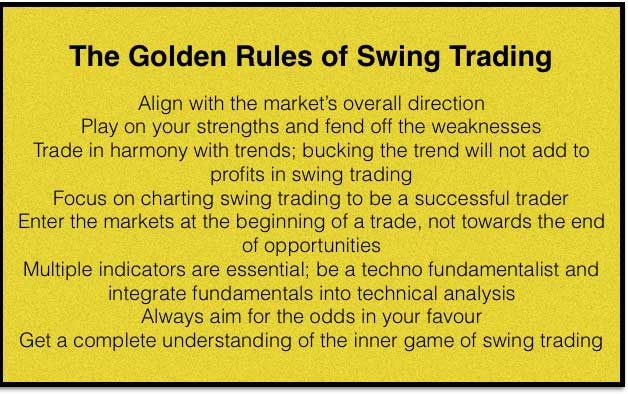
Image courtesy of www.educba.com via Google Images
Patterns That Paint a Picture
Have you ever looked at a picture and tried to guess what it’s showing? Well, trading patterns in stock charts are like that – they tell a story about what might happen next. For example, a “head and shoulders” pattern looks like, well, a head and shoulders! This pattern can signal that a stock’s price might drop soon. By learning to recognize different patterns, you can predict where the price might go and make smart decisions about your trades.
Conclusion: Becoming a Young Swing Trader
As we wrap up our journey into the exciting world of swing trading, it’s important to remember the key takeaways that can help you become a successful young swing trader. By combining the knowledge of swing trading, technical analysis, swing trading strategies, technical indicators, and trading patterns, you can set yourself up for success in the stock market.
Keep Learning and Practicing
Remember, becoming a swing trading master takes time and practice. Don’t be discouraged by mistakes or losses; instead, use them as valuable learning experiences to improve your skills. Keep up with the latest trends and strategies in swing trading to stay ahead of the game.
Stay Disciplined and Patient
Swing trading requires discipline and patience. Stick to your trading plan and don’t let emotions dictate your decisions. Be patient and wait for the right opportunities to make your moves. Remember, success in swing trading doesn’t happen overnight.
Adapt and Evolve
The stock market is constantly changing, so it’s essential to adapt and evolve your strategies as needed. Keep an open mind and be willing to try new approaches to stay competitive in the market. Stay curious and always be on the lookout for new opportunities.
By following these principles and continuing to educate yourself on swing trading, you can become a young swing trader with the skills and knowledge to succeed in the stock market. Embrace the challenges and rewards that come with swing trading, and remember that with dedication and perseverance, you can achieve your financial goals.
Unlock the secrets of swing trading mastery!
Subscribe to our newsletter for exclusive tech analysis tips and strategies.
FAQs
Can I Start Swing Trading at My Age?
Yes, young readers can start learning about swing trading at your age! While you may not be able to invest real money until you are older, you can still practice by using virtual trading platforms or paper trading. This way, you can learn the ropes and understand how swing trading works without risking any real money.
How Much Money Do I Need to Start Swing Trading?
The amount of money you need to start swing trading varies. Some brokers may require a minimum deposit to open an account, but the actual amount you invest in each trade is up to you. It’s essential to start small and only invest what you can afford to lose. As you gain more experience and confidence, you can gradually increase your investment amounts.
Is Swing Trading Safe?
Swing trading, like any form of trading, comes with risks. The stock market can be unpredictable, and prices can change rapidly. However, by using proper risk management strategies, doing thorough research, and staying informed about the market, you can minimize these risks. Remember, it’s essential to never invest more than you can afford to lose and to always be prepared for the possibility of losses.