


An emergency fund is essential for maintaining financial stability and reducing stress. Unexpected expenses can occur at any time, including medical emergencies, vehicle repairs, or sudden job loss. Without adequate savings, individuals may be forced to rely on high-interest credit cards or loans to cover these costs, potentially leading to debt accumulation and financial strain.
An emergency fund serves as a financial buffer, enabling people to address unforeseen expenses without compromising their long-term financial objectives. Moreover, an emergency fund provides a sense of security when facing life’s uncertainties. The knowledge that a financial safety net exists can significantly reduce anxiety about potential emergencies.
This financial cushion also helps prevent individuals from making hasty and potentially harmful financial decisions during times of crisis. Establishing an emergency fund is a proactive financial planning strategy that contributes to overall financial health and well-being.
Key Takeaways
- An emergency fund is crucial for financial stability and peace of mind
- Start building your emergency fund by setting a realistic savings goal
- Save and grow your emergency fund by automating your savings and investing in low-risk options
- Common misconceptions about emergency funds include thinking it’s only for major disasters
- Use your emergency fund wisely by only using it for true emergencies
- After using your emergency fund, focus on rebuilding it as soon as possible
- Having an emergency fund brings peace of mind and financial security
How to Start Building an Emergency Fund
Building an emergency fund requires discipline and commitment, but it is an achievable goal with the right approach. The first step is to set a realistic savings goal for the emergency fund. Financial experts often recommend saving three to six months’ worth of living expenses, but the actual amount may vary depending on individual circumstances such as income, expenses, and financial obligations.
Once the savings goal is established, it’s important to create a budget and identify areas where expenses can be reduced to allocate funds towards the emergency fund. Automating savings can also be an effective strategy for building an emergency fund. Setting up automatic transfers from a checking account to a designated savings account ensures that a portion of income is consistently allocated towards the emergency fund.
Additionally, individuals can consider increasing their income through side hustles or part-time work to accelerate the savings process. It’s important to stay focused on the long-term benefits of having an emergency fund and remain committed to regular contributions, even if it means making sacrifices in the short term.
Tips for Saving and Growing Your Emergency Fund
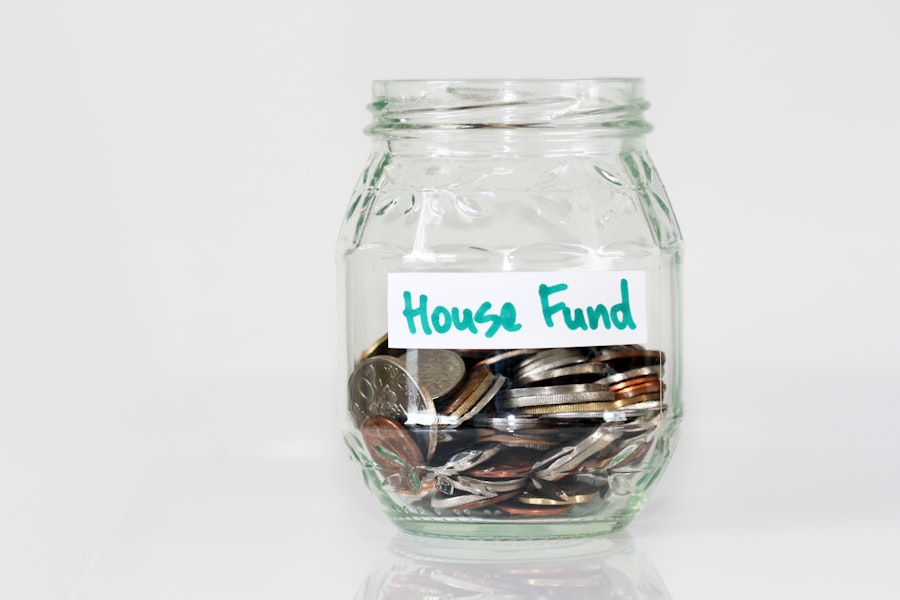
Saving and growing an emergency fund requires strategic planning and financial discipline. One effective tip is to prioritize saving by treating it as a non-negotiable expense. Just as individuals allocate funds for rent or utilities, they should prioritize saving for the emergency fund.
This mindset shift can help individuals consistently contribute to their emergency fund without feeling deprived or sacrificing other financial goals. Another tip for growing an emergency fund is to take advantage of high-yield savings accounts or other investment vehicles that offer competitive interest rates. While traditional savings accounts provide a safe and accessible option for storing emergency funds, exploring alternative options can help the fund grow at a faster pace.
However, it’s important to assess the level of risk and liquidity associated with different investment options and choose one that aligns with individual risk tolerance and financial goals. Furthermore, individuals can consider reallocating windfalls or unexpected income towards the emergency fund. This can include tax refunds, work bonuses, or monetary gifts.
Rather than using these funds for discretionary spending, allocating them towards the emergency fund can significantly boost its growth. By implementing these tips and staying committed to regular contributions, individuals can steadily increase their emergency fund and enhance their financial security.
Common Misconceptions About Emergency Funds
| Misconception | Reality |
|---|---|
| Emergency funds are only for major disasters | Emergency funds are also for unexpected expenses like car repairs or medical bills |
| Having a credit card is enough for emergencies | Emergency funds provide immediate access to cash without incurring debt |
| Emergency funds should be kept in a regular savings account | Emergency funds should be kept in a high-yield savings account or money market account for better returns |
| It’s okay to borrow from emergency funds for non-emergencies | Emergency funds should only be used for true emergencies to maintain financial security |
There are several common misconceptions about emergency funds that can hinder individuals from prioritizing their importance. One misconception is that having insurance coverage eliminates the need for an emergency fund. While insurance can provide financial protection in certain situations, it may not cover all expenses or provide immediate relief in times of crisis.
An emergency fund serves as a complementary resource to insurance, offering flexibility and quick access to funds when needed. Another misconception is that only individuals with high incomes or substantial savings need an emergency fund. In reality, unexpected expenses can impact anyone regardless of their income level.
Having an emergency fund is not just about the amount saved, but about the peace of mind and financial security it provides. It’s a proactive measure that can benefit individuals from all walks of life. Additionally, some individuals may believe that relying on credit cards or loans is a sufficient alternative to having an emergency fund.
However, accumulating debt in times of crisis can lead to long-term financial repercussions and high interest payments. An emergency fund allows individuals to cover expenses without going into debt, preserving their financial stability and creditworthiness.
Using Your Emergency Fund Wisely
When using an emergency fund, it’s important to do so judiciously and with careful consideration. The purpose of an emergency fund is to cover unforeseen expenses that are necessary for maintaining financial stability, such as medical bills, home repairs, or essential living expenses during a job loss. It’s crucial to distinguish between genuine emergencies and discretionary expenses to ensure that the fund is used for its intended purpose.
Another aspect of using an emergency fund wisely is to avoid depleting it entirely for a single expense. Instead, individuals should assess the urgency and impact of the expense and withdraw only the necessary amount from the emergency fund. This approach ensures that the fund remains intact for future emergencies and provides continued financial security.
Furthermore, individuals should replenish the emergency fund as soon as possible after using it. This may require adjusting the budget or increasing income temporarily to rebuild the fund to its original level. By using the emergency fund responsibly and replenishing it promptly, individuals can maintain its effectiveness as a financial safety net.
Rebuilding Your Emergency Fund After Using It

After using the emergency fund to cover unforeseen expenses, it’s essential to prioritize rebuilding it to its original level. This may require reassessing the budget and identifying areas where expenses can be reduced to allocate funds towards the emergency fund. Additionally, individuals can consider increasing their income through additional work or side hustles to accelerate the replenishment process.
Another strategy for rebuilding the emergency fund is to set specific savings goals and timelines. By establishing a clear target for replenishing the fund and breaking it down into manageable milestones, individuals can stay motivated and track their progress effectively. This approach provides a sense of accomplishment as each milestone is reached and encourages continued commitment to rebuilding the emergency fund.
Furthermore, individuals should review their budget regularly and make adjustments as needed to prioritize saving for the emergency fund. This may involve cutting back on discretionary expenses or finding creative ways to reduce monthly bills. By staying focused on rebuilding the emergency fund and making it a priority within the budget, individuals can restore their financial security and peace of mind.
The Peace of Mind That Comes with Having an Emergency Fund
Ultimately, having an emergency fund provides a sense of security and peace of mind in facing life’s uncertainties. Knowing that there is a financial cushion in place can alleviate anxiety and worry about potential emergencies. It can also prevent individuals from making impulsive and potentially detrimental financial decisions in times of crisis.
Moreover, having an emergency fund contributes to overall financial well-being by providing a safety net for unforeseen expenses without disrupting long-term financial goals. It allows individuals to navigate unexpected challenges with confidence and resilience, knowing that they have a financial buffer in place. In conclusion, building and maintaining an emergency fund is a fundamental aspect of sound financial planning.
It requires discipline, commitment, and strategic saving strategies, but the benefits far outweigh the effort involved. An emergency fund provides financial security, peace of mind, and flexibility in facing life’s uncertainties, making it an essential component of a healthy financial future.
FAQs
What is an emergency fund?
An emergency fund is a savings account specifically set aside to cover unexpected expenses or financial emergencies, such as medical bills, car repairs, or job loss.
Why is an emergency fund important?
Having an emergency fund provides a financial safety net, allowing individuals to cover unexpected expenses without having to rely on high-interest loans or credit cards.
How much should be saved in an emergency fund?
Financial experts typically recommend saving three to six months’ worth of living expenses in an emergency fund. However, the exact amount may vary based on individual circumstances and financial goals.
Where should I keep my emergency fund?
An emergency fund should be kept in a readily accessible and low-risk account, such as a high-yield savings account or a money market account. It should be separate from regular checking or savings accounts to avoid temptation to spend it on non-emergencies.
What qualifies as an emergency for using the fund?
Emergencies that may warrant using the fund include unexpected medical expenses, major car repairs, home repairs, job loss, or other unforeseen financial hardships. It is important to use the fund only for genuine emergencies and not for discretionary spending.